
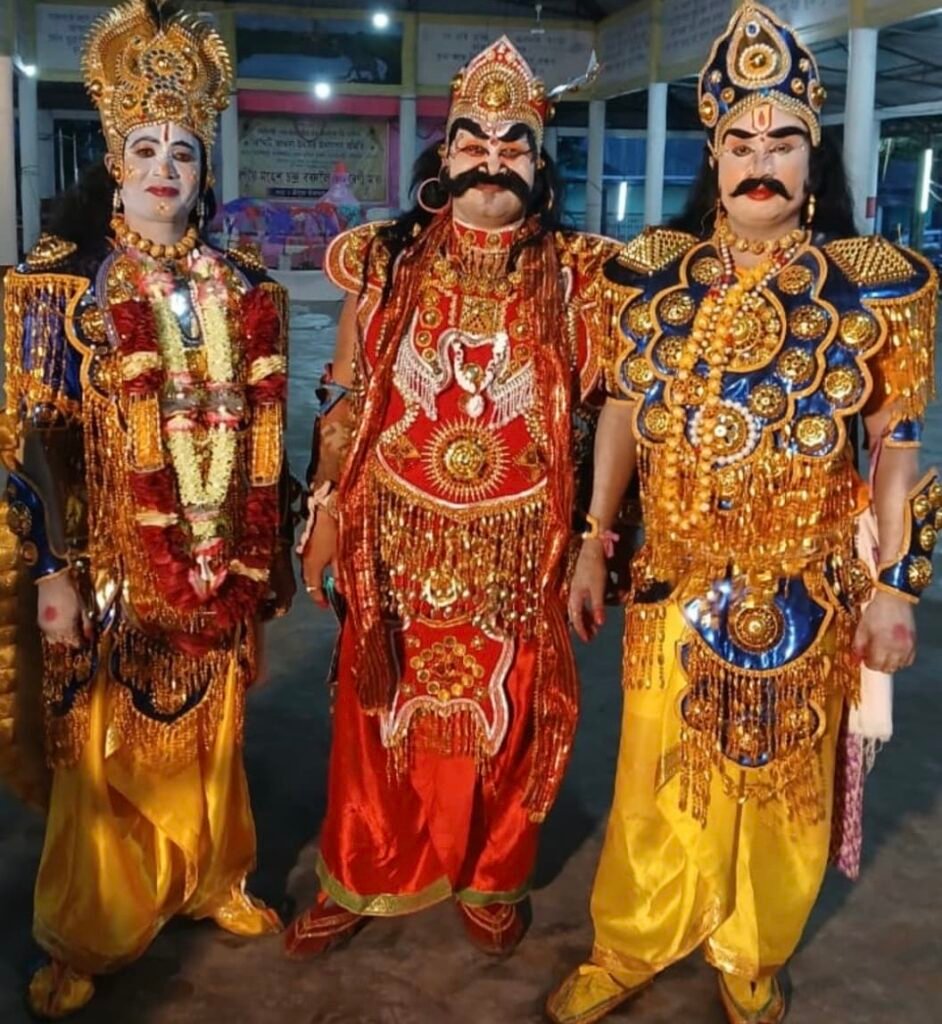
Radha aunty finished her daily chores quicker this afternoon for a specific reason: she must go to Charaibahi Sarbajanin Sankar Mandir, the venue of a century-old bhaona festival, even older than that. Bhaona is a traditional performing art form started by the Assamese polymath Srimanta Sankardev in the early 16th century in Assam, India. It celebrates the socio-religious performance of various mythological events and folklore in the form of staging his ankiya nat or one-act plays. But Radha aunty is going to a special bhaona today with her family. She has been going there for years now without fail. Known as the Charaibahi Committee Bhaona Festival, it is one of the oldest bhaona festivals in Assam which began way back in 1858. In fact, very few know about this festival in the state. The festival has a unique history. Back on November 1, 1858, Queen Victoria’s proclamation became a significant declaration transferring the governance of India from the British East India Company to the British Crown. People in the Morigaon district of Assam celebrated it with a cultural program which eventually turned into a bhaona festival. As the elderly recalls the story, the end of the Sepoy Mutiny of 1857 was followed by Queen Victoria’s proclamation and announcement that Indians would be equally treated by the British rule irrespective of their class, caste, and religion. This was welcomed and celebrated across the country with different ceremonial events. In Morigaon, local people organized cultural activities by constituting a committee for its smooth management. Thus, Morigaon gave us the historic committee bhaona, a celebration of traditional theatrical performance held every three years since then. This year of 2025 commemorates the completion of 168 years of the festival’s existence.
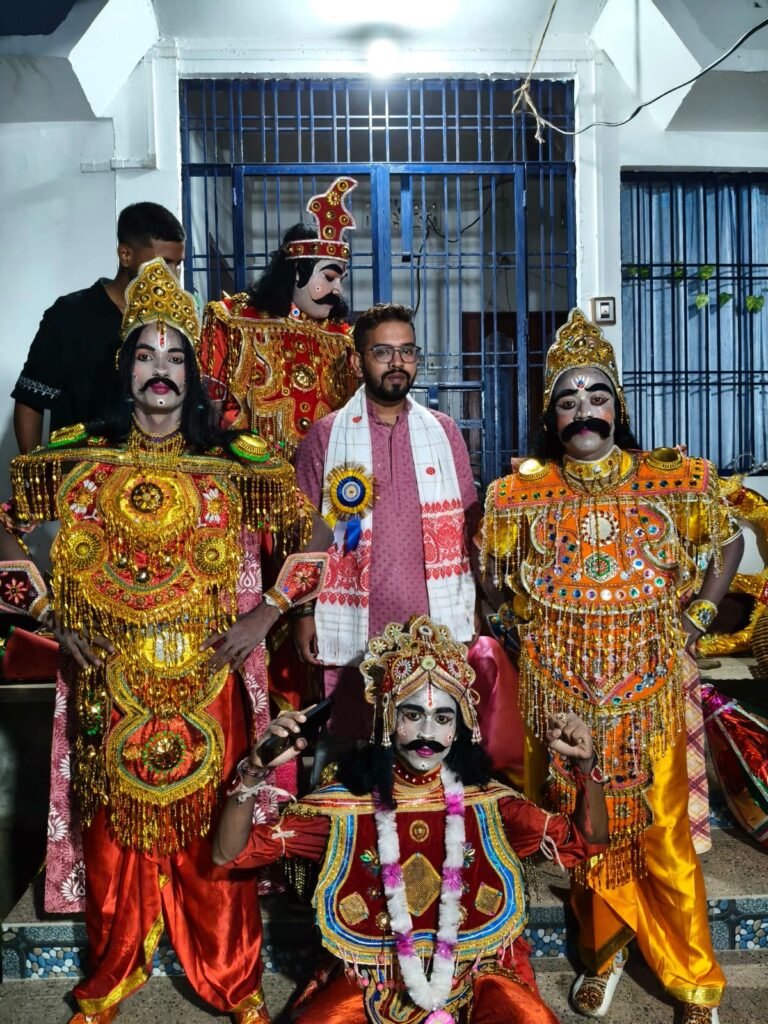
Committee bhaona is celebrated as a mark of respect to Queen Victoria. Initially, it was organized every year, but subsequently the festival became a triennial event. The festival is observed by the people in Morigaon regardless of caste, community, or creed, thereby symbolizing and cultivating an extraordinary element of unity and integrity among different ethnicities in the region. Charaibahi, the epicenter of committee bhaona, is in the northeastern part of Morigaon which is also the habitat of several communities of indigenous people including Ahom, Koch, Nath, and Tiwa. Majority of the people of Charaibahi belongs to the Nath and Yogi communities. However, people of all communities from the region jointly participate in the triennial committee bhaona. The festival is organized in one of the temple premises or specific public places in Charaibahi. During the festival, Sankardev’s ankiya nat is staged and performed at a stretch from five to six days. Performing teams from around 28 nearby villages stage their plays. The art form includes performances of ankiya nat through traditional songs, dance, and drama. Rehearsals begin one or two months before the event, which is also a major attraction for traditional art admirers and enthusiasts.
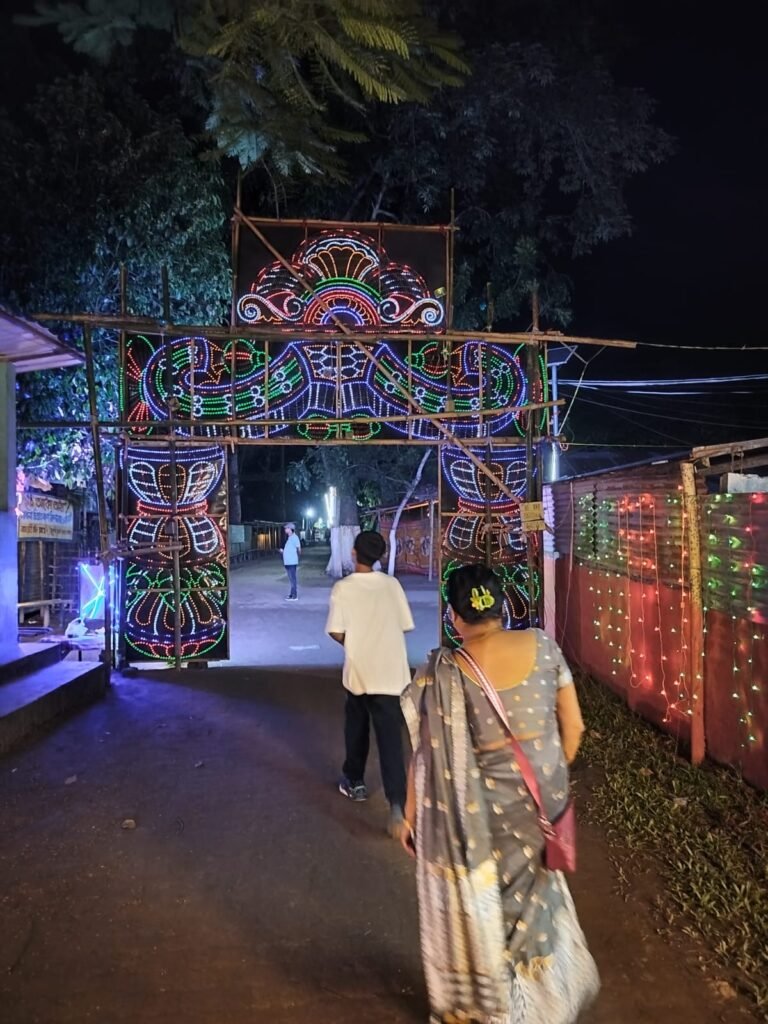
Decoration of the pandal or bhaona pavilion is equally fascinating. It is built in the round shape of a lotus flower. Construction of the pavilion begins by laying the lai khuta (foundational post) on the auspicious day of Ekadashi Tithi. Every khel (clan) participating in the committee bhaona festival is allocated a specific space in the pavilion: their own mandap (platform). Each mandap is beautifully decorated with a chandratap (canopy) along with other adornments. These platforms are designed connecting to each other. For the convenience of the public attending the festival, the main entrance of each mandap displays the name of the khel along with the bhaona they are going to perform. The main gates to the bhaona premises showcase the list of all the performances of the day. The evenings are then magically, culturally, artistically, aesthetically transformed into another realm altogether.
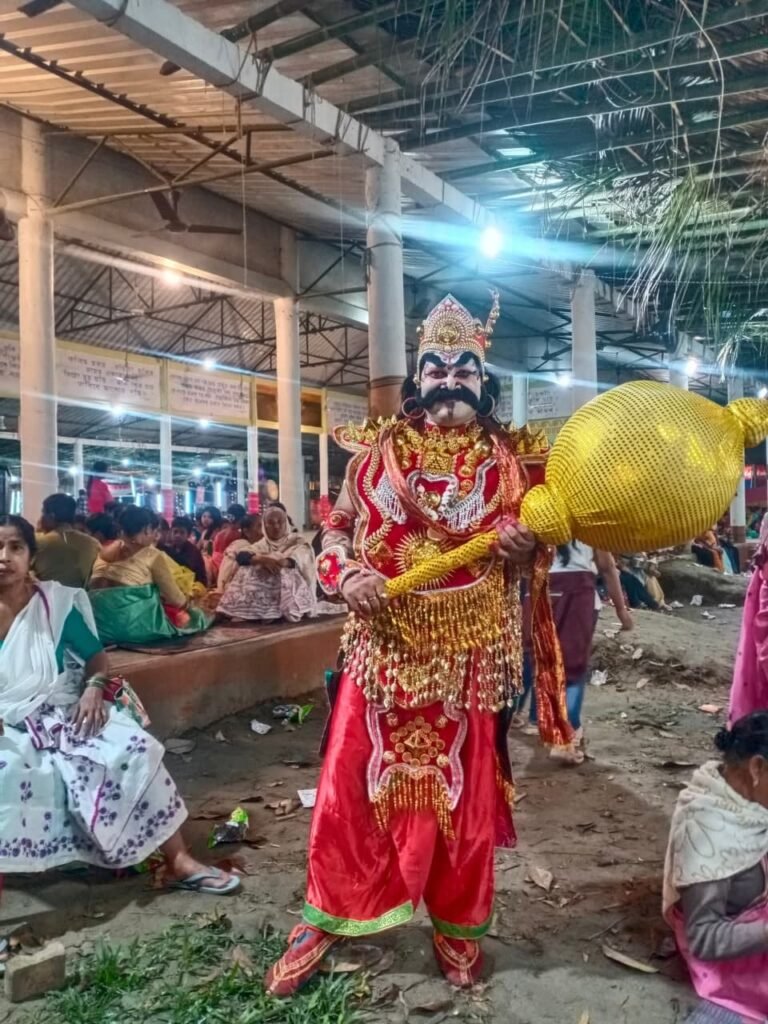
The completion of the bhaona rehearsal is followed by each participating khel singing ghosha (religious verse) on the preceding night. The festival then begins the next day with Usha Kirtan (singing of devotional songs and prayers) where each khel offers sarai as a symbol of their religious, sacred offering to the gods. The gayan-bayan (a musical troop of singers-drummers for religious performance) of each khel then attends their mandap with khol prasanga (religious and ritualistic performing discourse accompanied by a traditional double-ended drum) and harinaam (religious songs and prayers). The bhaona performance begins at night and ends before dawn. Even after more than one and a half century of its inception, committee bhaona stands out as a unique, pivotal, and exemplary socio-cultural practice for its substantial contribution to the solidarity, unity, and harmony among various communities of Morigaon as well as Assam. And for these obvious and significant reasons, it is going to continue effectively for the times to come. Let’s be positive about it!
Image source: Pallav Kumar Nath, Morigaon
Good